Radiolucent and MRI-Compatible Composites
Medical device engineers face constant pressure to develop systems that are lighter, stronger, and easier to use while maintaining reliability in demanding clinical environments. Designers must balance structural performance, ergonomics, manufacturability, and regulatory expectations—often within tight development timelines.
Traditional materials such as metals and plastics have long served the medical device industry well, but they can introduce tradeoffs between strength, weight, and design flexibility. As devices become more sophisticated and healthcare environments more demanding, engineers increasingly explore advanced materials that allow them to push beyond these limitations.
Carbon fiber composites have emerged as a powerful solution. By combining exceptional strength, low weight, and design flexibility, carbon fiber enables engineers to rethink how modern medical devices are designed and manufactured.
Composite Manufacturing Inc. (CMI) works with medical device OEM teams to translate these material advantages into practical, manufacturable solutions.
Partner with CMI to turn your material strengths into scalable, manufacturable solutions.
Rising Expectations in Medical Device Engineering
Healthcare environments demand equipment that supports precision, durability, and ease of use. Medical devices must perform reliably while being transported, positioned, cleaned, and used repeatedly throughout their lifecycle.
Design teams must also consider usability and ergonomics for clinicians who interact with these systems daily. Equipment that is lighter and easier to maneuver can improve both workflow efficiency and user comfort.
Traditional materials sometimes force difficult compromises. Metal components provide structural strength but add weight. Plastics reduce weight but may sacrifice stiffness or durability. Manufacturing limitations can also restrict design creativity.
Carbon fiber composites provide an alternative approach that allows engineers to maintain structural performance while significantly reducing mass.
Why Material Selection Shapes Device Performance
Material selection influences every stage of medical device development—from early concept sketches through testing, validation, and real-world use.
Carbon fiber composites allow engineers to tailor mechanical properties to specific design needs. Fiber orientation, laminate structure, and material thickness can be optimized to support precise load paths rather than distributing strength uniformly throughout the part.
This level of control allows designers to create structures that are both efficient and predictable. Predictable material performance simplifies engineering validation and reduces development risk.
Composite Manufacturing Inc. works with OEM teams to ensure that composite material strategies align with real-world device requirements.
Lightweight Strength That Expands Design Possibilities
One of the most attractive qualities of carbon fiber is its exceptional strength-to-weight ratio. Engineers can replace heavier metal parts with composite components that maintain structural integrity while reducing mass. Lighter devices can improve handling during setup, transport, and daily operation.
Reduced weight also opens new design opportunities. Designers can integrate additional features without making devices cumbersome. Portable systems become easier to deploy in varied environments. Carbon fiber enables innovation where weight once limited creativity.
Why Radiolucence Matters in Medical Devices
Many medical devices operate alongside imaging technologies such as X-ray, fluoroscopy, and CT scanners. Structural components used near these systems must provide mechanical support while minimizing interference with imaging performance.
Carbon fiber composites offer excellent radiolucent properties, meaning they allow imaging energy to pass through structures with minimal obstruction. This allows engineers to design structural components that support the device while preserving image clarity.
Radiolucent carbon fiber structures are commonly used in applications such as:
- Imaging tables
- Patient positioning systems
- Diagnostic support structures
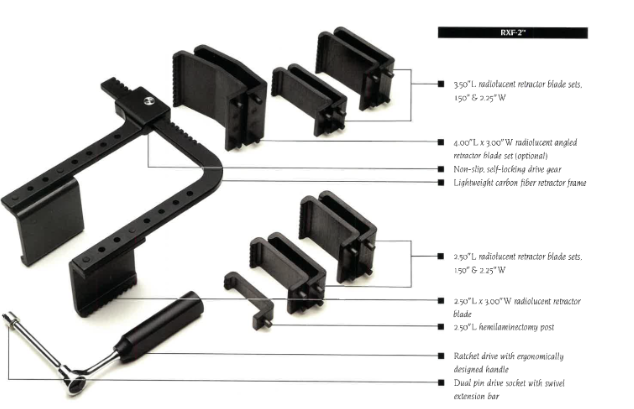
- Radiolucent device frames
When materials and laminate configurations are carefully engineered, carbon fiber components can maintain structural stiffness while remaining largely transparent to imaging systems.
Material Considerations for MRI Environments
Some medical devices must operate within or near MRI environments, where strong magnetic fields and radiofrequency energy require careful material selection.
In these applications, engineers typically prioritize non-ferromagnetic materials and hardware that minimize interaction with magnetic fields and avoid interference with imaging performance. Material conductivity, magnetic properties, and component placement within the system all influence how structures behave in MRI environments.
While carbon fiber composites offer excellent structural performance and radiolucency for X-ray and CT imaging systems, their electrical conductivity can limit their use in certain MRI applications. For this reason, engineers carefully evaluate where composite materials can be used within a device architecture and where alternative materials may be more appropriate.
CMI works with engineering teams to evaluate material options, structural requirements, and manufacturing approaches so that device designs align with the imaging environments in which they will operate.
Durability That Supports Long-Term Use
Medical environments expose equipment to frequent handling, cleaning, and transportation. Carbon fiber resists fatigue and maintains performance over time. Designers appreciate materials that withstand repeated stress without deformation.
Durable components can reduce maintenance demands and support longer product lifecycles. Engineers who prioritize durability can focus on improving functionality rather than compensating for material wear. Carbon fiber provides a stable foundation for dependable device design.
Design Flexibility Without Compromise
Carbon fiber allows designers to move beyond boxy forms and rigid constraints. Composite layups support organic shapes that align with human interaction. Ergonomic considerations are easier to address when materials align with design intent rather than limiting creativity.
CMI collaborates with teams that seek both technical performance and visual refinement. A well-designed device communicates quality and professionalism. Carbon fiber surfaces can reinforce that message while supporting functional goals.
Supporting Innovation Across Applications
Medical device design spans a wide range of applications, from diagnostic equipment to mobility aids and structural supports. Carbon fiber meets many of these needs due to its versatility. Engineers can scale designs up or down while preserving performance characteristics.
The same material principles that support high-performance tools in industries like aerospace or even heavy-duty products such as bolt cutters can inform thoughtful medical device engineering. Cross-industry knowledge helps designers apply proven concepts in new contexts.
Streamlining Development With Expert Guidance
Working with advanced materials requires experience and insight. CMI provides resources and expertise that help teams navigate composite design and manufacturing. Early collaboration can reduce costly revisions and accelerate time-to-market.
Engineers benefit from guidance on material selection, layup strategies, and production planning. Clear communication between designers and manufacturers strengthens outcomes and minimizes risk.
Sustainability and Responsible Design Considerations
Many medical device companies now consider environmental impact alongside performance. Carbon fiber components can help reduce shipping weight and material use. Long-lasting products also support responsible resource management.
CMI continues to explore efficient manufacturing practices and material optimization. Thoughtful design decisions can align performance goals with broader sustainability objectives.
Building Confidence Through Knowledge
Understanding composite materials allows engineering teams to make better design decisions.
CMI shares practical insights that help engineers understand the capabilities, limitations, and opportunities associated with carbon fiber composites. Informed teams can explore innovative design approaches while maintaining confidence in the engineering process.
Education and collaboration strengthen outcomes throughout the development cycle.
A Partner Focused on Real World Results
Composite Manufacturing Inc. approaches each project as a collaborative technical partnership.
Our team combines hands-on composite manufacturing experience with disciplined production processes and a commitment to quality. We understand that successful medical devices require more than advanced materials—they require reliable manufacturing and clear communication.
Engineers who work with CMI gain a partner focused on helping innovative designs become dependable products.
Looking Ahead at the Future of Medical Device Design
Carbon fiber continues to influence how engineers approach weight, structure, and performance in modern medical devices. As composite manufacturing technologies evolve, designers will gain even greater flexibility in how they develop advanced healthcare equipment.
Innovation in medical technology thrives when materials enable creativity rather than restrict it.
Engineering teams that embrace composite solutions can create devices that are lighter, stronger, and better suited for modern clinical environments.
For organizations exploring carbon fiber in medical device design, Composite Manufacturing Inc. provides the experience, manufacturing expertise, and collaborative approach needed to turn ideas into reliable products.