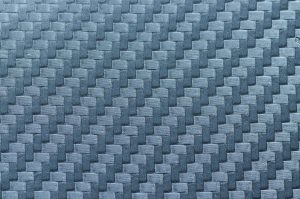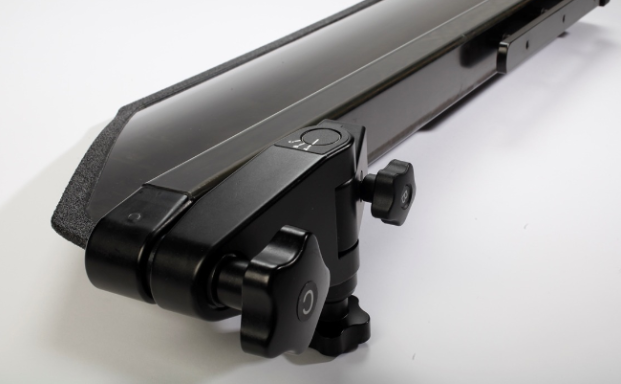
Organizations often focus on the upfront cost of materials when designing products or infrastructure. However, the true cost of a material becomes clear over time through maintenance, downtime, energy use, and replacement. Carbon fiber is increasingly recognized as a material that delivers long-term value by combining durability, lightweight performance, and design flexibility.
Want to learn more on how you can utilize carbon fiber for your business. Then check out our website to see how we can be useful for your team.
Rethinking Material Choices for Long-Term Value
Many projects begin with cost as the primary concern. Steel, aluminum, and other conventional materials often appear affordable at first glance. Over time, weight, corrosion, fatigue, and limited design flexibility increase operational costs. Repairs, downtime, and replacements add pressure to budgets and timelines.
Carbon fiber changes how teams approach material selection. Carbon fiber offers high strength at a fraction of the weight of metals. Engineers and designers gain the ability to build structures and components that last longer and perform better under demanding conditions. Carbon fiber reduces stress on surrounding systems, which helps extend the life of connected parts and equipment.
When teams consider total lifecycle costs instead of upfront pricing, carbon fiber often proves more economical—carbon fiber rewards long-term thinking by reducing failures, lowering maintenance costs, and improving efficiency across applications.
Lightweight Strength That Reduces Ongoing Expenses
Weight influences nearly every aspect of performance and cost. Heavy materials require more energy to move, support, and operate. Carbon fiber delivers exceptional strength while remaining lightweight. That combination supports long-term savings in transportation, manufacturing, and daily use.
In industries that rely on movement, lighter components reduce fuel consumption and mechanical system wear. Vehicles, tools, and equipment benefit from improved efficiency and longer service intervals. Carbon fiber also facilitates easier handling and installation, reducing labor costs and project timelines.
Durability That Limits Maintenance and Replacement
Frequent maintenance and replacement drive up costs across many industries. Corrosion, fatigue, and environmental exposure weaken traditional materials over time. Carbon fiber resists many of those challenges. Carbon fiber does not rust and maintains structural integrity under repeated stress.
That durability translates into fewer repairs and less downtime. Infrastructure, tools, and components made of carbon fiber continue to perform well in harsh environments. Carbon fiber supports consistent performance in applications that involve moisture, chemicals, or temperature fluctuations.
Design Flexibility That Supports Efficiency
Carbon fiber offers design freedom that traditional materials struggle to match. Manufacturers can mold carbon fiber into complex shapes without sacrificing strength. That flexibility allows engineers to optimize designs for performance and material efficiency.
Efficient design reduces waste during production and improves performance during use. Carbon fiber components often require fewer parts, simplifying assembly and reducing failure points. Fewer parts also mean lower inventory and maintenance costs over time.
Precision Tools and Equipment Benefit from Carbon Fiber
Tools demand durability, accuracy, and ease of use. Carbon fiber supports all three qualities. Precision tools built with carbon fiber offer strength without excess weight. Users experience less fatigue and better control, which improves productivity and reduces errors.
Even heavy-duty tools like bolt cutters benefit from carbon fiber integration. Carbon fiber handles or components reduce weight while maintaining cutting power. That balance improves user comfort and extends the lifespan of the tool. Reduced wear on joints and mechanisms also lowers replacement costs.
Energy Efficiency and Environmental Considerations
Energy efficiency is playing an increasingly important role in long-term cost planning. Carbon fiber supports efficiency by reducing weight and improving performance.
Carbon fiber also supports sustainability goals. Durable materials reduce waste by lasting longer and requiring fewer replacements. Efficient manufacturing and design reduce material usage without sacrificing strength. Carbon fiber aligns with responsible resource management while supporting financial efficiency.
Lower Total Cost of Ownership Over Time
Total cost of ownership includes purchase price, maintenance, energy usage, and replacement. Carbon fiber often excels across all categories. The initial investment may exceed that of traditional materials, but long-term savings often offset that difference.
Carbon fiber components last longer and require less upkeep. Reduced downtime improves productivity and revenue potential. Energy savings compound over the years of operation. Carbon fiber delivers predictable performance, simplifying budgeting and planning.
Carbon Fiber Supports Innovation and Competitive Advantage
Innovation drives growth and efficiency. Carbon fiber enables new approaches to design and performance. Teams that adopt carbon fiber gain access to solutions that traditional materials cannot deliver.
Competitive advantage often emerges through improved performance, reliability, and efficiency. Carbon fiber allows companies to differentiate products and services while controlling costs. Long-term value supports sustained growth and customer satisfaction.
Transparency and Expertise Build Trust
Choosing the right material requires knowledge and experience. CMI prioritizes transparency and education, the about us philosophy centers on helping customers understand how carbon fiber fits specific needs.
Expert guidance helps avoid costly mistakes and ensures optimal material selection. Informed customers make confident decisions that lead to better outcomes.
Trust grows when partners communicate openly and deliver consistent results. CMI builds long-term relationships by supporting customer success at every stage.
A Smarter Investment for the Long Term
Carbon fiber represents more than a material choice. Carbon fiber supports a strategic approach to cost management and performance. Lightweight strength, durability, and design flexibility combine to reduce long-term expenses and improve efficiency.
Organizations and individuals who seek lasting value benefit from thinking beyond short-term savings. Carbon fiber rewards that mindset with reliability, efficiency, and performance that stand the test of time. Composite Manufacturing Inc. stands ready to help customers harness the full potential of carbon fiber and build a future grounded in wise material choices.