“Radiolucent” appears on many product spec sheets, but it doesn’t always mean the same thing. Buyers who don’t know which questions to ask may purchase positioning equipment that introduces partial imaging artifact, doesn’t integrate with their table rail system, or creates workflow complications that only surface after the OR is already configured.
A targeted question set asked before purchase significantly reduces fit risk, speeds internal approval cycles, and prevents the costly disruption of swapping out equipment post-installation.
This guide provides a practical buyer question list organized by category, imaging compatibility, structural performance, OR integration, and compliance with routing to CMI’s product selection guide and specialty consult.
Speak With a CMI Positioning Specialist. Get the evaluation your program requires before the OR is already configured around the wrong equipment.
Imaging Compatibility Questions
Radiolucent performance directly impacts imaging clarity, diagnostic accuracy, and intraoperative decision-making. Buyers should confirm:
- Is the product fully radiolucent, or only partially radiolucent due to embedded metallic components in load-bearing structures?
- Which imaging modalities has it been validated for (fluoroscopy, CBCT, standard radiography)?
- Does radiolucency remain consistent across all orientations and load conditions, or only within a primary imaging plane?
Clinical context:
In spinal procedures such as pedicle screw fixation, metallic implant artifacts can significantly degrade CBCT image quality and obscure anatomical detail, limiting intraoperative accuracy.
According to an article, radiation dose during O-arm imaging can be reduced by 5–13 times relative to default settings without compromising the required image quality. This makes imaging efficiency more dependent on clarity and artifact reduction, placing greater importance on fully radiolucent positioning equipment that does not interfere with the imaging field.
Structural Performance Questions
- What is the load rating, and has it been tested to a documented factor of safety?
- What is the strength-to-weight ratio compared to aluminum or steel alternatives?
- Has the product undergone lifecycle testing for repeated sterilization cycles?
- What is the expected service life under routine OR conditions?
OR Integration Questions
System compatibility is a frequent source of procurement delays and post-installation workflow issues. Buyers should evaluate not just whether a system fits, but how it performs within real surgical environments:
- Is it compatible with standard U.S. surgical table side rails?
- What attachment hardware is required, and is it included?
- Can the system be configured for multiple surgical positions (prone, Trendelenburg, lateral, lithotomy)?
- What accessories or modular components exist within the product family?
Clinical context:
According to this clinical article, advanced radiolucent materials such as carbon fiber reinforced PEEK are valued not only for imaging compatibility but also for their performance in the surgical environment. These materials offer high fatigue strength, compatibility with CT and MRI imaging, and mechanical properties closer to those of bone, thereby supporting stability without interfering with visualization.
Because these materials do not introduce imaging artifacts or metal-related complications, they enable clearer intraoperative visibility and more precise positioning. This directly impacts how well positioning systems integrate into the OR, supporting both imaging access and procedural flexibility.
Compliance and Documentation Questions
- Is the manufacturer FDA-registered?
- Are material certifications and compliance documentation available upon request?
- What is the manufacturer’s process for design changes and version control?
How to Use This Question List
This question set is designed to support more informed, efficient decision-making throughout the evaluation and purchasing process.
Bring these questions into:
- Vendor discussions to validate product claims and capabilities
- Internal purchasing reviews to align stakeholders on requirements
- OR committee evaluations to ensure clinical and workflow compatibility
Using a standardized framework helps reduce ambiguity, accelerate approvals, and prevent costly misalignment after installation.
For product-specific guidance, explore CMI’s catalog or connect with a specialist to review your application requirements in detail.
FAQ
What does “fully radiolucent” mean in a clinical context?
A fully radiolucent component produces no meaningful imaging artifact across fluoroscopy, CBCT, or standard radiography in any orientation. This differs from “partially radiolucent” or “imaging compatible” systems that may include metal elements affecting image quality.
How do I verify performance with my OR imaging system?
Request modality-specific validation data (fluoroscopy, CBCT, radiography), ideally from bench or cadaver testing. Confirm the product has been evaluated in orientations and workflows similar to your clinical use case.
What documentation should a manufacturer provide at purchase?
Minimum documentation includes material certifications, load testing data, sterilization validation, and regulatory compliance records (e.g., FDA registration or 510(k) where applicable). Rail compatibility and dimensional specs should also be included.
Is carbon fiber stronger than aluminum equipment?
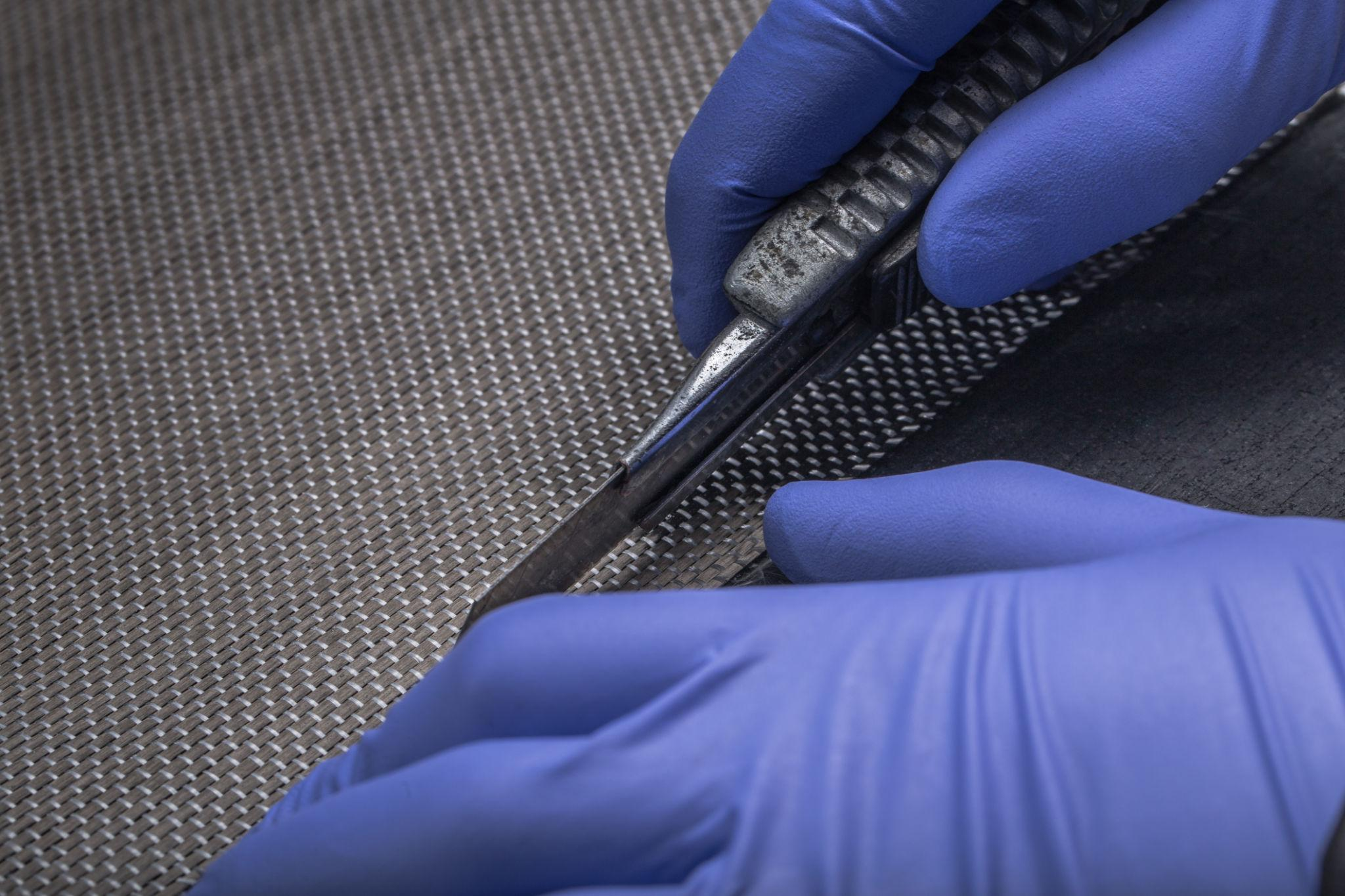
Carbon fiber composites typically offer a significantly higher strength-to-weight ratio than aluminum, enabling lighter components that maintain or exceed comparable load capacity with reduced deflection.
Can radiolucent equipment be used across imaging modalities?
Yes, when fully radiolucent, carbon fiber systems can be used across fluoroscopy, CBCT, and radiography without introducing imaging artifacts or requiring reconfiguration between modalities.
How does radiolucent equipment affect radiation dose?
Carbon fiber does not significantly attenuate X-rays like metal, avoiding dose perturbation effects and maintaining more consistent imaging fields during repeated intraoperative imaging.
What is the service life and sterilization impact?
Carbon fiber systems are corrosion-resistant and designed to withstand standard OR sterilization methods. Service life depends on product design and validated cleaning protocols defined by the manufacturer.
Are these systems compatible with standard OR table rails?
Most systems, including CMI positioning products, are designed for standard U.S. surgical table side rails, but compatibility should always be confirmed using manufacturer specifications prior to procurement.
A positioning system that introduces imaging artifact, conflicts with your table rail, or creates OR workflow complications does not announce itself on a spec sheet. It announces itself after installation, and swapping it out means downtime, budget impact, and a disruption nobody planned for. The right questions asked before purchase prevent all of it.
Speak with a CMI Positioning Specialist · Use this guide to go into your next evaluation with the question set that eliminates fit risk before it becomes your problem.