Why Prototype Readiness Matters
Moving a composite component from the prototype stage into full production requires more than simply approving an early sample. A prototype is often the first opportunity to confirm that a design aligns with application requirements, manufacturing expectations, and long-term production goals.
In many composite development programs, this stage is where assumptions get tested. What works in a single prototype build may not always translate directly into repeatable production without adjustment. This is why prototype evaluation is not just a checkpoint, but a critical validation step in the overall manufacturing process.
When prototype readiness is not fully evaluated, programs can encounter delays later in development. Design revisions, tooling adjustments, specification changes, or manufacturing misalignment can create setbacks once production begins. These issues may increase timelines and create additional costs during scale-up.
At Composite Manufacturing Inc. (CMI), prototype development is treated as an important step in the overall manufacturing process. It helps ensure that components are aligned with both design intent and production feasibility before larger runs begin.
Prepare your composite project for a smoother production launch. Contact our team to review prototype readiness and next-stage manufacturing needs.
What Prototype Readiness Means
Prototype readiness is the confirmation that a component is ready to move from the development stage into repeatable production. This means more than verifying appearance or basic fit. It involves reviewing whether the design can be manufactured consistently while meeting application requirements.
A production-ready prototype typically supports:
- Defined design requirements
- Confirmed geometry and fit within the system
- Material alignment with application needs
- Manufacturability through controlled processes
- Clear expectations for future production runs
Without these checkpoints, a prototype may function as a concept model but still require major changes before manufacturing can scale efficiently.
Prototype readiness also helps clarify whether the current design reflects real-world operating conditions. In composite manufacturing, this is especially important because performance depends not only on shape but also on material behavior and process control.
As stated by the National Institute of Standards and Technology, manufacturing readiness depends on validating processes, requirements, and system alignment early in development to ensure that designs can transition smoothly from prototype to scalable production without introducing inefficiencies or redesign risk (National Institute of Standards and Technology [NIST], n.d.).
Common Risks of Moving Too Quickly to Production
When production begins before prototype readiness is established, several challenges may appear later in the process.
Common issues include:
- Design changes after tooling begins
- Production delays caused by specification revisions
- Misalignment between engineering and manufacturing teams
- Inconsistent output between prototype and production parts
- Added costs due to rework or schedule adjustments
- Difficulty maintaining repeatability across batches
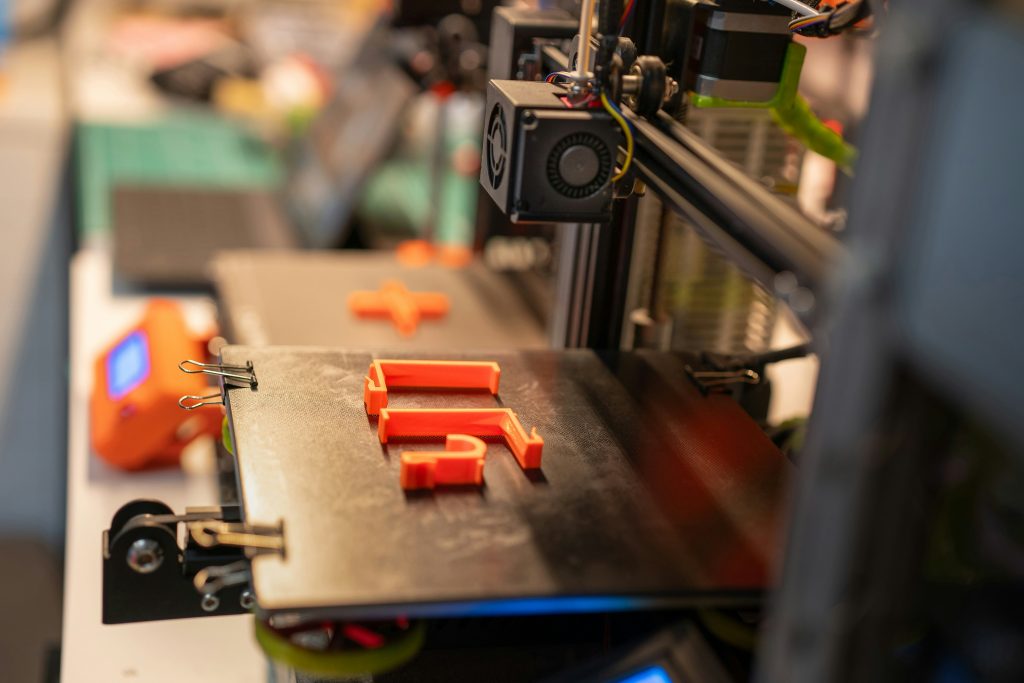
These risks often come from skipping validation steps during early development. Addressing them before production starts can help maintain project momentum and improve long-term manufacturing efficiency.
In composite programs, these issues can be even more impactful because tooling, material systems, and curing processes are closely tied to final part performance. Once production tooling is committed, changes can become more time-intensive and costly.
Key Areas to Validate Before Production
Prototype readiness is strongest when engineering teams review multiple areas before approving a production transition.
Design Requirements
The prototype should reflect the final functional goals of the component. This includes dimensions, configuration, and intended use within the system.
Fit and Integration
The component should align properly with surrounding assemblies or equipment. Confirming integration early helps avoid later modifications.
Manufacturing Feasibility
The design should be reviewed to ensure it can be produced consistently through available composite manufacturing processes.
Material Selection
Materials should align with project requirements and intended application conditions.
Production Expectations
Teams should understand expected volumes, timelines, and required repeatability before moving forward.
Reviewing these areas creates a more reliable foundation for production planning and helps reduce uncertainty when scaling begins.
How CMI Supports Prototype-to-Production Readiness
At Composite Manufacturing Inc., prototype readiness is supported through an integrated development process that connects engineering, tooling, and manufacturing.
This includes:
- Reviewing application requirements
- Evaluating design manufacturability
- Confirming component specifications
- Preparing production workflows
- Supporting transition into repeatable manufacturing
Because these stages are connected through a vertically integrated process, design intent can remain aligned through development and production.
This approach helps reduce disconnects that often occur when prototypes and production are handled separately.
It also improves communication efficiency between teams, allowing design feedback and manufacturing constraints to be addressed earlier in the process rather than after production has already begun.
As stated by Manufacturing USA, successful transition from prototype development to full-scale production requires early integration of engineering, manufacturing, and process planning to ensure that technologies can be reliably scaled without introducing performance or production inconsistencies (Manufacturing USA, n.d.).
Why Early Validation Improves Production Outcomes
Prototype readiness is valuable because it helps teams move forward with better clarity. When requirements are confirmed early, production planning becomes more efficient, and fewer changes are needed later.
Benefits of early validation can include:
- Smoother production transitions
- Greater alignment between design and manufacturing
- More predictable timelines
- Reduced revision risk
- Stronger confidence in production launch
- Improved consistency across multiple production runs
For engineering teams, readiness is not just about the prototype itself. It is about ensuring the next stage of the program can move forward efficiently without introducing avoidable uncertainty.
Prototype Readiness for Different Industries
Production readiness is important across industries that use custom composite components. These include:
- Medical equipment
- Aerospace systems
- Robotics and automation
- Industrial machinery
- Transportation systems
- Specialized engineered products
In each of these markets, component requirements can be highly specific. Confirming readiness before production helps ensure that custom parts meet both application and manufacturing expectations.
Many of these industries also operate under strict performance or regulatory requirements, which makes early validation even more critical for long-term success.
Questions to Ask Before Full Production
Before approving production, teams may benefit from asking:
- Has the prototype been reviewed against final requirements?
- Is the design ready for repeatable manufacturing?
- Are tooling and production processes aligned?
- Have fit and integration needs been confirmed?
- Are expected production quantities understood?
- Is the transition plan clearly defined?
These questions can help identify readiness gaps before making larger commitments.
Conclusion
Prototype readiness is a critical step before full composite production because it helps ensure that designs, manufacturing processes, and production expectations are aligned early. Without this step, projects may face delays, revisions, or inefficiencies during scale-up.
By validating requirements, manufacturability, and system fit before production begins, engineering teams can move forward with greater confidence and stronger planning.
At Composite Manufacturing Inc., prototype-to-production support is built into a structured manufacturing process that helps teams transition from development to repeatable composite production with greater consistency.
Move from prototype to production with greater confidence through engineering-led composite manufacturing support. Request a consultation today.