Where Production Alignment Begins
Production alignment in composite manufacturing starts at the very beginning of a project, during early design and engineering discussions. It refers to how well each stage of development connects from initial concept through final delivery, ensuring that design intent and manufacturing execution stay consistent.
When alignment is not established early, teams often run into disconnects later in the process. These may appear as design revisions after tooling begins, changes during production, or inconsistencies between prototype and final parts. These issues typically come from working in separate stages rather than a connected workflow.
Early alignment also influences how efficiently decisions are made later in the project. When requirements are clearly defined at the beginning, fewer assumptions are carried into production. This reduces the likelihood of rework and helps keep development timelines stable as projects scale.
Strengthen your composite development process with better production alignment. Contact our team to review your project requirements and manufacturing approach.
What Strong Production Alignment Looks Like
Strong production alignment means every stage of development supports the next without requiring major adjustments later. In composite manufacturing, this requires coordination between design, materials, tooling, fabrication, and production.
A well-aligned process typically includes:
- Engineering designs created with manufacturing input
- Material selection matched to production capabilities.
- Tooling designed for repeatable output
- Fabrication processes aligned with component requirements
- Final parts matching the intended application use
When these elements are connected, carbon fiber components can move more efficiently through development and into production without unnecessary interruption.
Strong alignment also supports better scalability. When a process is designed with production in mind from the start, increasing volume does not require redesigning the component or changing core manufacturing methods. This is especially important in composite manufacturing, where small process changes can significantly affect final part performance.
What Happens When Alignment Is Missing
When production alignment is not maintained, issues tend to surface during scaling or production ramp-up. These challenges are often avoidable but can significantly affect timelines and efficiency.
Common issues include:
- Tooling changes after design approval
- Production delays caused by late-stage revisions
- Differences between prototype and production parts
- Miscommunication between engineering and manufacturing teams
- Increased rework during scaling phases
- Difficulty maintaining consistency across production runs.
These challenges usually stem from treating design and manufacturing as separate processes rather than a connected workflow.
In many cases, misalignment does not appear during early prototyping. Instead, it becomes visible only when transitioning to production volumes, where repeatability and consistency become critical. At that point, even small inconsistencies can compound into larger production inefficiencies.
Maintaining alignment early reduces the likelihood of these disruptions later in the project lifecycle.
How CMI Maintains Alignment Throughout Development
At Composite Manufacturing Inc., production alignment is maintained through a vertically integrated manufacturing approach. This means engineering, tooling, fabrication, and production are all managed within a coordinated system.
CMI’s process typically follows this structure:
- Application requirements are defined at project start.
- Engineering designs are developed with manufacturing awareness.
- Tooling is created based on production requirements.
- Manufacturing processes are controlled for consistency.
- Final components are reviewed against design intent.
This structure ensures that decisions made early in the process carry through to final production without disconnects between stages.
By integrating engineering and manufacturing into a single system, CMI helps reduce variation and supports more predictable production outcomes.
This integrated approach also improves communication efficiency. Instead of transferring information between separate vendors or disconnected teams, all feedback loops remain internal and immediate, reducing decision-making delays.
Production alignment is closely connected to controlled manufacturing systems that reduce variation between design intent and final output, especially when scaling composite components from prototype to production as stated in National Institute of Standards and Technology [NIST], n.d.
Why Alignment Improves Project Outcomes
When production alignment is maintained, projects tend to move more smoothly from concept to delivery. This is because fewer adjustments are required during scaling and production phases.
Key benefits include:
- More consistent transition from design to production
- Reduced need for redesign during tooling or manufacturing
- Improved coordination between engineering and production teams
- More predictable production schedules
- Better consistency across multiple production units
For custom composite components, this consistency is important because parts are often integrated into larger systems where fit and function must remain stable.
Alignment also helps ensure that production decisions support long-term manufacturing goals rather than only early-stage design intent.
Another benefit is reduced program risk. When design, tooling, and manufacturing are aligned, teams are less likely to encounter unexpected issues during scaling, which can otherwise require significant adjustments to timelines or cost structures.
Where Production Alignment Matters Most
Production alignment is especially important in industries that use custom carbon fiber components in precision or system-critical applications.
These include:
- Medical equipment systems
- Aerospace components
- Robotics and automation platforms
- Industrial machinery
- Transportation systems
- Specialized engineered applications
In these industries, even small inconsistencies between design and production can affect system integration or performance requirements. Alignment ensures that components remain consistent from prototype through full production.
It is also important in applications where components must operate under repeated load or tight tolerances. In these cases, consistency across production runs becomes just as important as the initial design itself.
Integrated engineering and manufacturing workflows help improve repeatability and reduce communication gaps between design and production stages in composite development as stated in American Composites Manufacturers Association [ACMA], n.d.
Questions to Evaluate Alignment Early
Before moving a project into full production, engineering teams often review alignment by asking questions such as:
- Has manufacturing input been considered during design development?
- Are materials compatible with production methods?
- Is tooling designed for repeatable output?
- Do prototype results reflect production intent?
- Are engineering and manufacturing teams fully coordinated?
- Is the production process clearly defined and consistent?
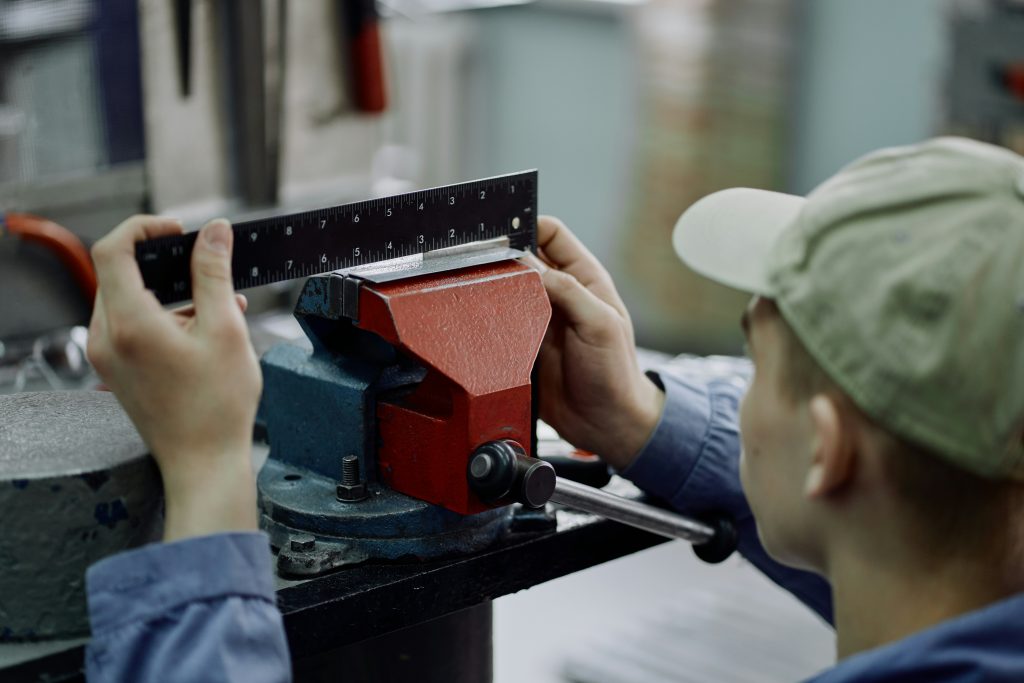
These questions help identify potential gaps before scaling begins, reducing the risk of late-stage changes.
Conclusion
Production alignment is a critical factor in successful composite manufacturing because it ensures that engineering design, manufacturing processes, and production execution remain connected from start to finish. Without alignment, projects are more likely to experience delays, inconsistencies, and unnecessary revisions during scaling.
By maintaining a structured and connected development process, Composite Manufacturing Inc. supports smoother transitions from design to production and more consistent outcomes for custom carbon fiber components.