Understanding Balance, Stiffness, and Dynamic Performance at High RPM
High-speed rotational systems operate in environments where small mechanical variations can have a significant effect. As rotational velocity increases, even minor inconsistencies in mass distribution, stiffness, or geometry can lead to vibration, instability, or performance loss. Because of this, system behavior is shaped as much by dynamic balance and structural consistency as it is by material strength.
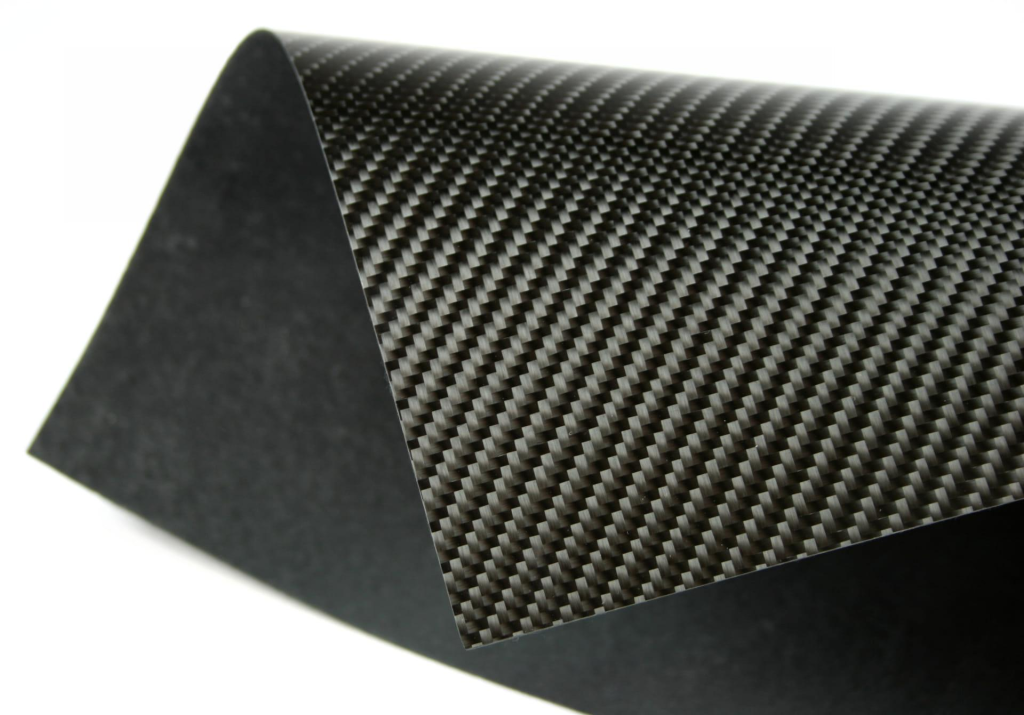
Carbon fiber is frequently used in these systems due to its low mass and high stiffness characteristics. These properties help reduce rotational inertia and improve responsiveness in components exposed to continuous high-speed motion.
However, a successful application depends on more than material selection. It requires careful control of geometry, balance, interfaces, and manufacturing consistency across the full assembly.
Enhance rotational stability and reduce dynamic imbalance with advanced carbon fiber integration. Explore engineered composite solutions designed for high-speed system performance.
Why High-Speed Rotation Is So Sensitive to Design
Rotational systems behave differently from static structures because forces scale rapidly with speed. At higher RPM, small deviations become significantly more pronounced.
Key challenges include:
- Dynamic imbalance that increases vibration
- Structural deformation under centrifugal loading
- Interface stress between connected components
- Sensitivity to manufacturing tolerances
These effects compound as speed increases, making system-level consistency critical.
How Carbon Fiber Performs in Rotational Environments
Carbon fiber offers performance advantages particularly relevant to high-speed systems, but its behavior is highly dependent on design execution.
Reduced Rotational Mass
Lower mass reduces inertia, improving acceleration efficiency and reducing demand on drive systems.
High Stiffness-to-Weight Ratio
Stiff structures help maintain geometric stability under centrifugal force, reducing deformation during operation.
Directional Material Properties
Carbon fiber allows engineers to tailor stiffness along specific load paths, which can be useful in rotational geometries where forces are predictable and directional.
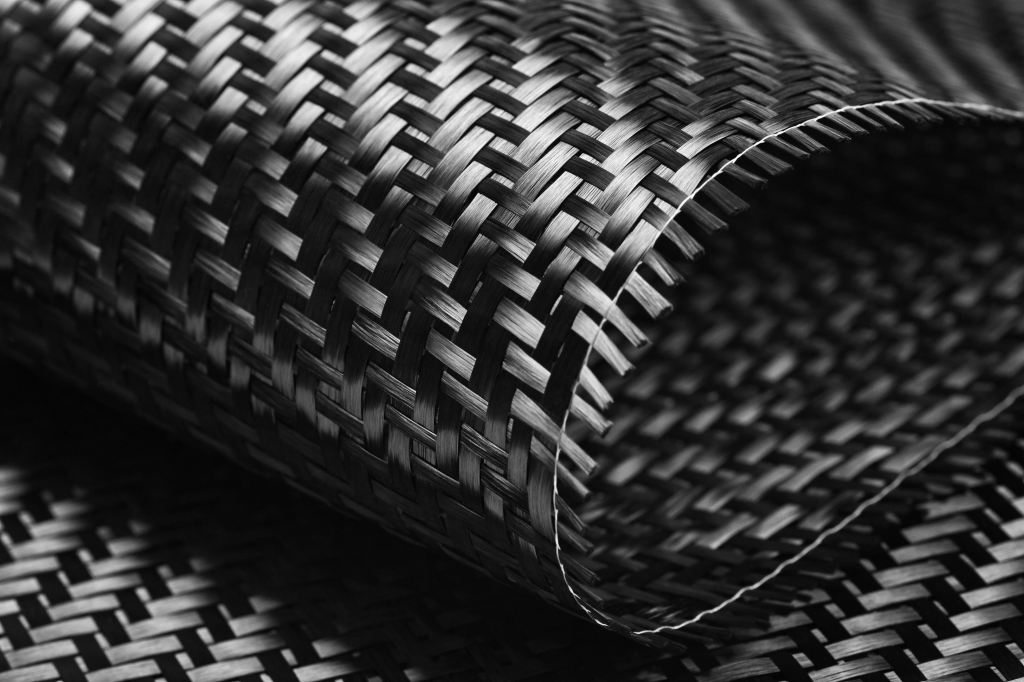
The Role of Balance in System Stability
At high RPM, balance becomes one of the most important performance factors. Even small asymmetries can lead to amplified vibration and long-term degradation.
Important considerations include:
- Mass symmetry across rotating components
- Layup consistency in composite structures
- Precision in machining and assembly
- Interface alignment between materials
When balance is not tightly controlled, performance losses often appear during testing or early operation rather than initial design.
Where Carbon Fiber Is Used in Rotational Systems
Carbon fiber is used in several categories of high-speed rotating equipment, particularly where both weight reduction and stiffness are critical.
Common applications include:
- Centrifugal separation systems
- High-speed spindles and rotor assemblies
- Aerospace and UAV rotating components
- Precision industrial automation systems
In each case, system stability depends heavily on both material properties and structural execution.
Engineering Factors That Influence Performance
Material selection alone does not determine success in rotational systems. Several design and execution factors play a significant role.
Mass Distribution Control
Uneven mass distribution is a primary source of vibration in high-speed systems.
Interface Design Between Components
Transitions between materials must be designed to manage stress transfer without introducing instability.
Manufacturing Precision
Variations in layup, curing, or machining can significantly affect balance and dynamic response.
Dynamic Load Modeling
Accurate prediction of rotational forces helps define stable operating conditions and reduces uncertainty during validation.
Why System-Level Design Matters
High-speed rotational systems are inherently multi-disciplinary. Mechanical, structural, and manufacturing decisions interact dynamically.
Common system-level issues include:
- Misalignment between subsystem requirements
- Incomplete integration planning
- Variability across manufacturing partners
- Late discovery of vibration or imbalance issues
Because of this, performance depends on coordination as much as component design.
Carbon Fiber Advantages in Context
When properly engineered, carbon fiber can support improved performance in rotational systems by:
- Reducing system inertia
- Improving stiffness consistency
- Supporting tailored structural behavior
- Enhancing response efficiency in dynamic conditions
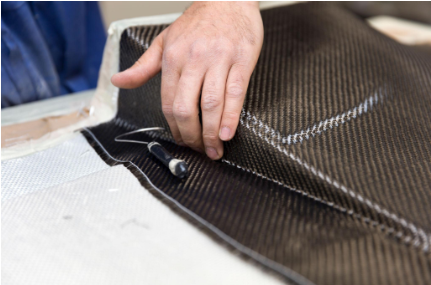
However, these advantages depend on execution discipline across the design and manufacturing stages.
Key Takeaways for Engineers
- High-speed rotation amplifies small design inconsistencies
- Carbon fiber reduces inertia but requires precise balance control
- System-level coordination is as important as material selection
- Manufacturing variation has a direct impact on dynamic stability
- Integration planning reduces late-stage validation issues
Related Standards and Engineering Context
High-speed, rotating system design is often informed by structured engineering frameworks, such as those developed by the Society of Automotive Engineers (SAE), which provide guidance on dynamic systems and rotating machinery behavior.
Summary
Carbon fiber plays a valuable role in high-speed rotational systems due to its stiffness and low mass properties. However, achieving stable performance depends on careful control of balance, interface design, and manufacturing consistency. In these systems, small variations can scale quickly, making structured engineering essential to reliable operation.
Looking to improve reliability in high-speed rotational applications? Connect with specialists to evaluate how carbon fiber can optimize vibration control, durability, and long-term system efficiency.