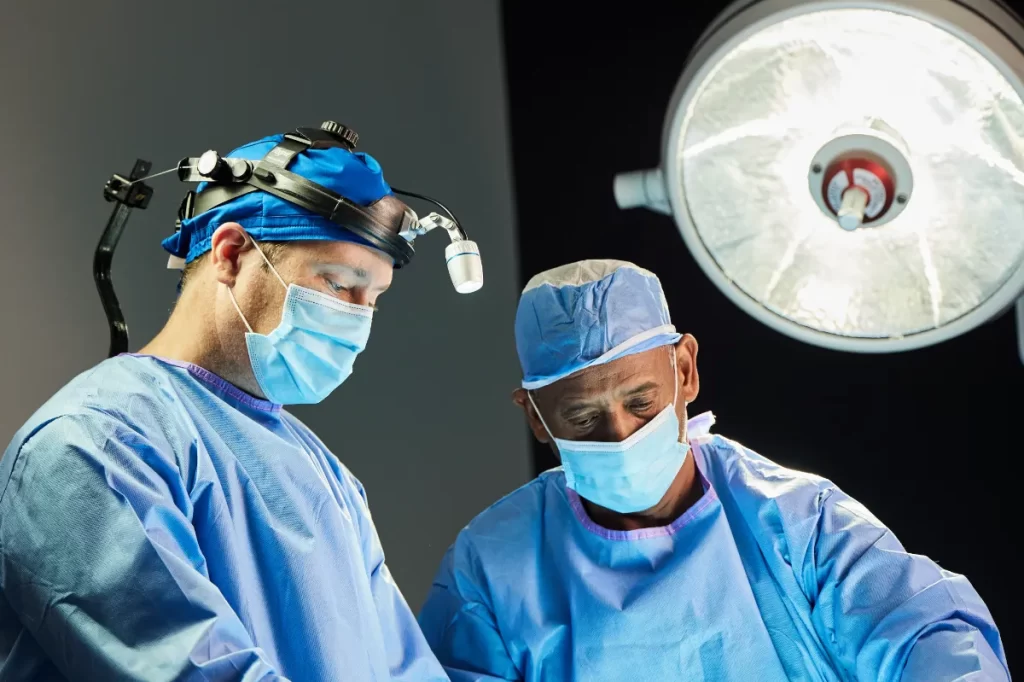
Surgeons often spend long hours at the operating table, sometimes while wearing magnifying loupes, headlights, or lead aprons. Research has tried to measure how common work-related pain and injury really are among surgeons and interventional physicians. The reported prevalence is substantial, although estimates vary across studies. This post summarizes what the research shows, its limits, and how CMI approached the problem with its own carbon fiber design.
Curious about NekSpine™?
NekSpine is CMI’s lightweight carbon fiber support system for surgeons, dentists, and health care professionals.
How Common Is Work-Related Pain Among Surgeons?

The most widely cited estimate comes from a systematic review and meta-analysis published in JAMA Surgery, which pooled studies of surgeons and interventionalists. It estimated the 12-month prevalence of neck pain at 60%, shoulder pain at 52%, back pain at 49%, and upper extremity pain at 35% (Epstein et al., JAMA Surgery). The same analysis estimated the career prevalence of degenerative cervical spine disease at 17% (Epstein et al., JAMA Surgery).
The consequences extend beyond discomfort. Among physicians with a work-related musculoskeletal disorder, the review estimated that 12% required leave, practice restriction or modification, or early retirement (Epstein et al., JAMA Surgery). For a surgical department, that means ergonomic strain can affect not only individual surgeons but also staffing and case capacity.
Lead Aprons Add to the Load
Surgeons and staff who work under fluoroscopy carry an additional burden: radiation protective garments. A 2020 systematic scoping review of 12 studies on apron wearing and musculoskeletal problems among health care workers found that discomfort was clearly reported, but that there was no complete agreement on whether apron use causes musculoskeletal disorders (Monaco et al., 2020). Some studies in the review found more work-related pain among staff in procedures requiring lead aprons, while others found no statistically significant association (Monaco et al., 2020). The authors noted that most of the evidence came from self-reported questionnaires, often without control groups, and should be interpreted with caution (Monaco et al., 2020).
What the Research Does and Does Not Tell Us
The research makes a strong case that pain is common among surgeons. It is less definitive about causes and which interventions work best. Many of the underlying studies are surveys that rely on self-reporting and cover a wide range of specialties and practice settings. That is why we treat ergonomics as an open engineering problem rather than a solved one, and evaluate each intervention based on its design and evidence.
How CMI Approached the Problem
CMI already makes carbon fiber equipment for the operating room, including radiolucent surgical table accessories. NekSpine™ applies the same material to the people working at the table. CMI designed NekSpine to address the neck and back strain surgeons, dentists, and health care professionals experience.
The system has three components: a posture-correcting lumbar support vest, a carbon fiber support beam designed to counterbalance the weight of the head, and a head frame engineered for load distribution while conforming to the user’s skull. CMI states that the system weighs less than 2 lbs and is fully adjustable for torso length, belt sizing, tension, and padding. It accommodates headlights, loupes, radiation leads, microscopes, seated positions, and robotic consoles.
NekSpine is intended as a personal item fitted to one user, and the NekSpine page offers a free trial. Visit the NekSpine product page for details.
Why Carbon Fiber Fits Wearable Support
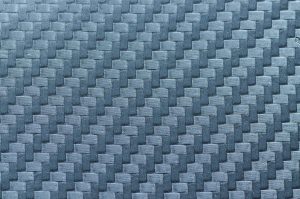
Anything a surgeon wears through a long case has to justify its weight, which is why NekSpine’s support beam is made of carbon fiber, and the full system stays under 2 lbs. Read more about the material in What Is Carbon Fiber? A Practical Guide for Engineers and Buyers, or see how CMI applies it in medical and precision equipment structures.
Questions about NekSpine or carbon fiber medical equipment?
Contact CMI’s team to learn more.