
How Lightweight Carbon Fiber Changes System Performance
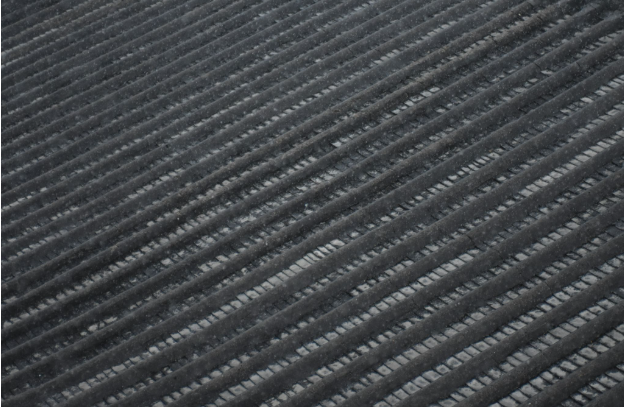
Lightweight Carbon Fiber Performance in Engineered Systems
A lightweight carbon-fiber design affects more than just the total system mass. It directly influences how a system responds to movement, how efficiently it operates, and how consistently it performs over time. In engineered applications, reducing weight can improve acceleration, motion control, and overall responsiveness, especially in systems that operate repeatedly or continuously.
In robotics and automation systems, lighter components reduce the load placed on motors and actuators. This allows for smoother operation and more efficient movement cycles. In medical equipment, reduced weight can improve handling, positioning accuracy, and ease of use in controlled environments where precision is essential.
Lightweight carbon fiber structures can also help reduce vibration and improve overall stability. This is important in precision-driven systems where even small amounts of deflection can affect performance. By minimizing unnecessary mass, systems can operate with greater control and consistency.
CMI develops carbon fiber components specifically for these performance-driven applications. Each design is engineered to balance weight reduction with structural performance. Enabling systems to operate efficiently without compromising strength or reliability.
Explore lightweight carbon fiber solutions engineered for performance and reliability across demanding applications. Contact our team at Composite Manufacturing Inc to review your project requirements.
Get In Touch With Us
Engineering Lightweight Solutions Through Controlled Manufacturing
Achieving effective lightweight performance requires more than selecting a low-weight material. It requires a controlled engineering and manufacturing process that ensures each component is designed for its intended application and produced consistently.
At CMI, carbon fiber components are developed through a vertically integrated manufacturing process. This includes design support, engineering review, tooling, fabrication, and final production. This structure allows direct control over each stage of development, ensuring performance requirements are maintained throughout production.
Every project begins with application requirements such as load conditions, environmental exposure, and system integration needs. From there, engineers develop a composite design that optimizes geometry, material usage, and structural performance. This ensures that each component is not only lightweight but also capable of meeting long-term operational demands.
By controlling the entire production process, CMI ensures that lightweight carbon fiber components remain consistent across manufacturing runs. This supports repeatability, reliability, and scalability in advanced composite applications across multiple industries.
System Efficiency and Long-Term Performance Benefits
A lightweight composite design directly contributes to system efficiency. When components weigh less, systems require less energy to operate. This can improve the efficiency of powered systems and reduce the strain on mechanical components over time.
Reduced weight can also support longer service life by lowering stress on connected parts. Systems operating under lower mechanical load tend to experience less wear, reducing maintenance requirements and extending operational lifespan.
In industrial and precision applications, this combination of efficiency and durability is especially important. Lightweight carbon fiber components help maintain stable performance while reducing overall system stress.
We deliver composite solutions that support immediate performance needs and long-term lifecycle benefits. Each component is designed with durability, efficiency, and application performance in mind.
Custom Carbon Fiber Components for Demanding Applications
Carbon fiber is widely used in industries where performance, reliability, and weight reduction are critical. These include robotics, automation systems, medical equipment, aerospace applications, and specialized industrial systems.
Each industry has unique requirements, which is why carbon fiber components are custom-engineered for each application. Lightweight design is tailored to operational needs, ensuring each part supports system performance without adding unnecessary mass.
CMI works directly with engineering teams to develop custom composite components tailored to specific application requirements. This includes evaluating structural needs, integration points, and operational conditions to ensure proper performance.
By combining custom engineering with controlled composite manufacturing, CMI delivers lightweight solutions designed for demanding environments where consistency and reliability are essential.
Conclusion
Lightweight design impacts far more than just weight reduction. It influences system efficiency, responsiveness, durability, and long-term performance. In advanced engineering applications, reducing mass can improve how systems operate, how they are maintained, and how reliably they perform over time.
Carbon fiber enables these benefits through a high-performance material system that can be engineered to deliver strength, stiffness, and weight reduction simultaneously. When combined with controlled manufacturing processes, it delivers consistent, reliable performance across demanding applications.
At Composite Manufacturing Inc., we develop lightweight carbon fiber components using structured engineering and manufacturing processes to ensure precision, consistency, and long-term reliability in real-world use.
Improve system efficiency and reduce operational strain with custom composite components designed for advanced manufacturing needs. Request a consultation to get started.