
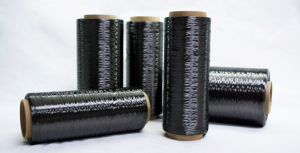
A surgical robotic arm that introduces positioning errors, deflects under end-effector load, or requires actuator oversizing is a platform that underperforms clinically and costs more to build than necessary. The structural material choices made at the component level determine whether the platform achieves the dynamic precision the surgical application requires.
Carbon fiber composite meets the unique performance demands of surgical robotics by offering a combination of properties that makes it a strong material choice compared to traditional options such as aluminum or titanium. Its benefits are especially relevant when evaluating materials for advanced surgical applications.
Contact our engineering team to discuss your medical robotics composite program. Reach us through our contact page or call today.
In a multi-link robotic arm, inertial mass at each link compounds as it moves toward the end effector. Mass at the distal end requires the proximal actuators to overcome a moment arm that amplifies the effective load they must manage. Minimizing mass at every link, particularly the distal links and the end-effector frame, reduces the actuator torque required for precision positioning and enables the control system to achieve finer positioning resolution without increasing actuator size or power consumption.
Carbon fiber composite achieves a stiffness-to-weight ratio that outperforms both aluminum and titanium for this application, delivering the structural rigidity required to maintain end effector position under load at a fraction of the mass either metal alternative requires. Our robotics and automation page outlines our approach to composite component design for robotic systems.
Few conventional metals can satisfy all of these requirements simultaneously. High stiffness maintains the spatial relationship between the surgical instrument and the robotic kinematic chain under manipulation loading. Lower mass reduces the inertial demands on the wrist actuators and allows for higher dynamic bandwidth.
Radiolucency eliminates the imaging artifact introduced by metal hardware in CT-guided, fluoroscopy-guided, and MRI-compatible platforms, where the end effector must remain non-obstructive in the imaging field. Carbon fiber composite addresses all three requirements in a single material system. The radiolucency outcomes our components achieve are described on our surgical accessories product page.
Surgical robotic platforms are cleared medical devices, and the composite components that constitute their structural systems are subject to the same supplier qualification requirements as any other component in a cleared device. The qualification process that medical device OEMs run against composite suppliers evaluates several capabilities that general commercial composite manufacturers typically cannot demonstrate:
Our facility has operated under FDA registration for more than 40 years, and our quality system is built around the documentation and traceability requirements imposed by regulated device programs. Details on our FDA-registered manufacturing capabilities are available on our FDA manufacturing page, and our co-molding capabilities are described on our co-molding page.
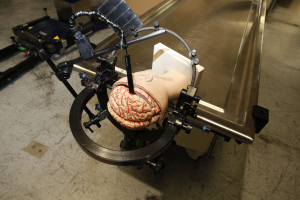
Medical device OEMs planning product launches in the following calendar year typically run supplier qualification in Q4. Qualification processes for FDA-regulated components include documentation review, audit scheduling, first-article production, and validation testing, which collectively require more lead time than most program teams budget for when they initiate the process.
Programs that begin the qualification conversation in Q4 have the lead time to complete qualification before production commitments are made. Programs that defer the conversation to Q1 typically find that the qualification timeline compresses their production start and creates schedule risk they cannot absorb. Contact our engineering team through our contact page to begin the supplier qualification conversation for your surgical robotics program.
Surgical robotic platforms that deliver clinical precision do so in part because their structural components minimize the inertial mass and deflection that degrade positioning accuracy. Carbon fiber composite addresses those requirements at the intersection where no metal alternative performs as well. Contact our engineering team to discuss your medical robotics composite program, or learn more about our robotics and automation composite capabilities on our robotics page. Contact Our Engineering Team. Discuss your surgical robotics composite program requirements and what the supplier qualification process looks like.